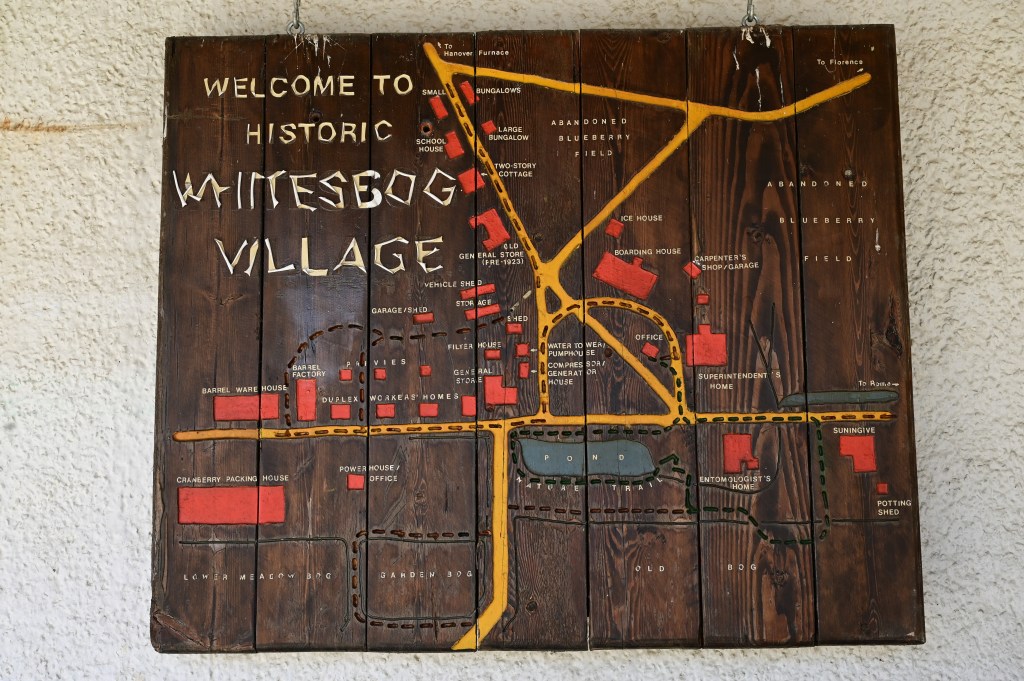
Located in the New Jersey Pine Barrens, Whitesbog Historic Village is a cranberry farming community, founded in 1857 and still stands today.
Prior to the inception of Whitesbog, the land was inhabited and tended to by the Lenni Lenape Indians. The Native Americans foraged the land for fruit and berries, which they used for cooking purposes. Native Americans also used the berries for medical purposes, as well as dye for wool and cloth. In the following years, others moved in on the area, and the land was dug and dredged for iron ore mining. The bog iron harvested on these lands was used as cannonballs and other materials in the War of 1812. However, the production of iron ore died off in the 1840s.
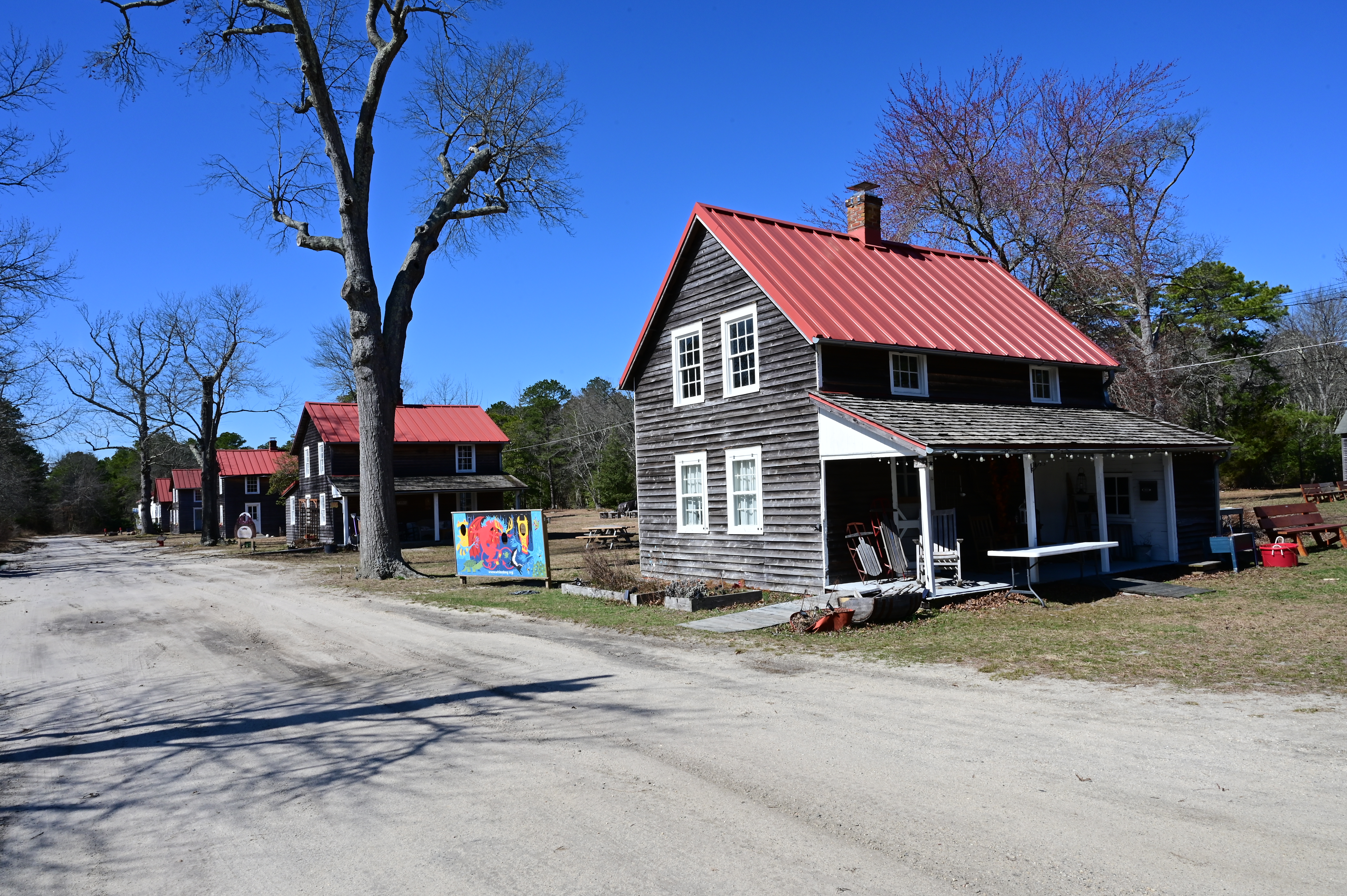
In the mid-nineteenth century, James A. Fenwick purchased a hundred of acres of land in the Pine Barrens. Fenwick saw the possibly for growing cranberries for commercial profit. Upon purchasing the land, Fenwick used the exiting water channels to help the cranberry vines grow. When Fenwick started his venture into growing Cranberries, the New Jersey cranberry industry was only a few decades old, so there was a lot to learn and develop.
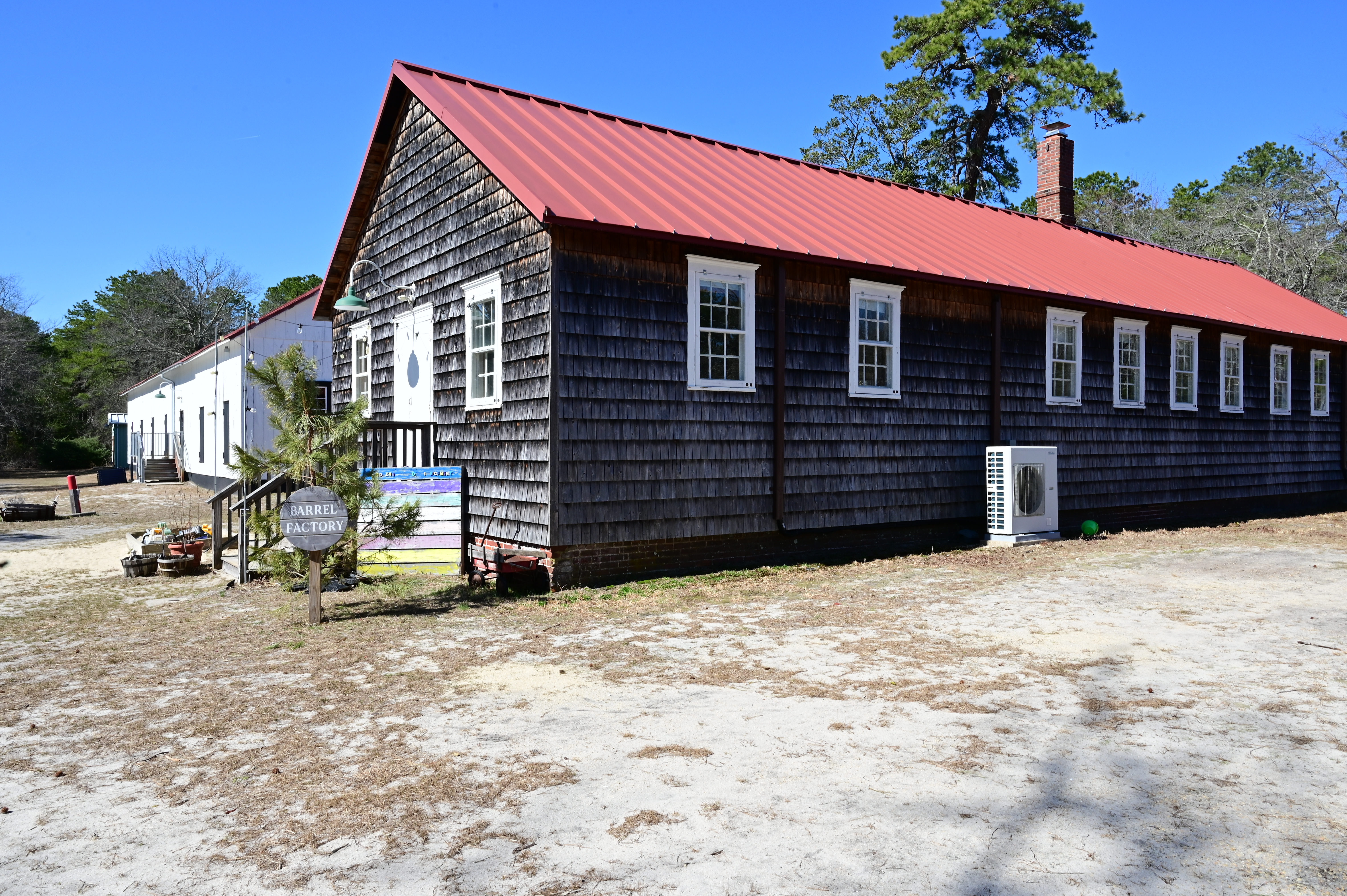
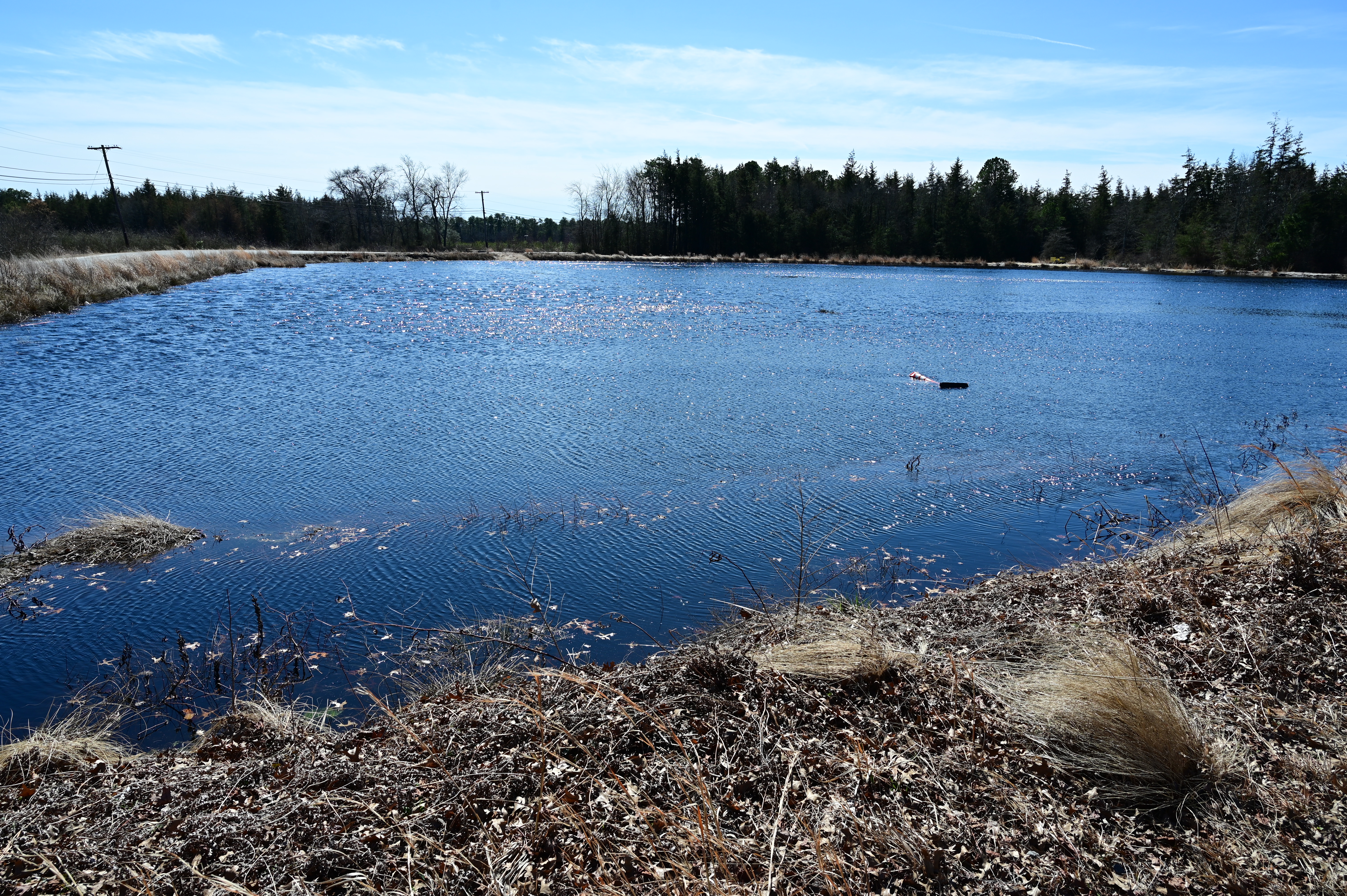
When Fenwick died, Fenwick son-in-law, Joseph Josiah White, also known as J.J. White, took over running the cranberry operation. J.J. White already had some experience working on a different small cranberry operation in New Lisbon, so he was the best choice to pass the operations to after Fenwick’s death. White purchased more of the surrounding land to expand the business and Cranberry operation even further. The farm expanded to around 3,000 acres of land and began turning a profit, and went by the name “White’s Bog,” named after J.J. White. Although, for White, running Whitesbog was not always easy. He noticed that many bugs and insects began infesting the vines. As a result, White decided to flood the Cranberry bog to remove the insects. He noticed that in addition to removing the insects, the flooding was also great for the health of the vines.
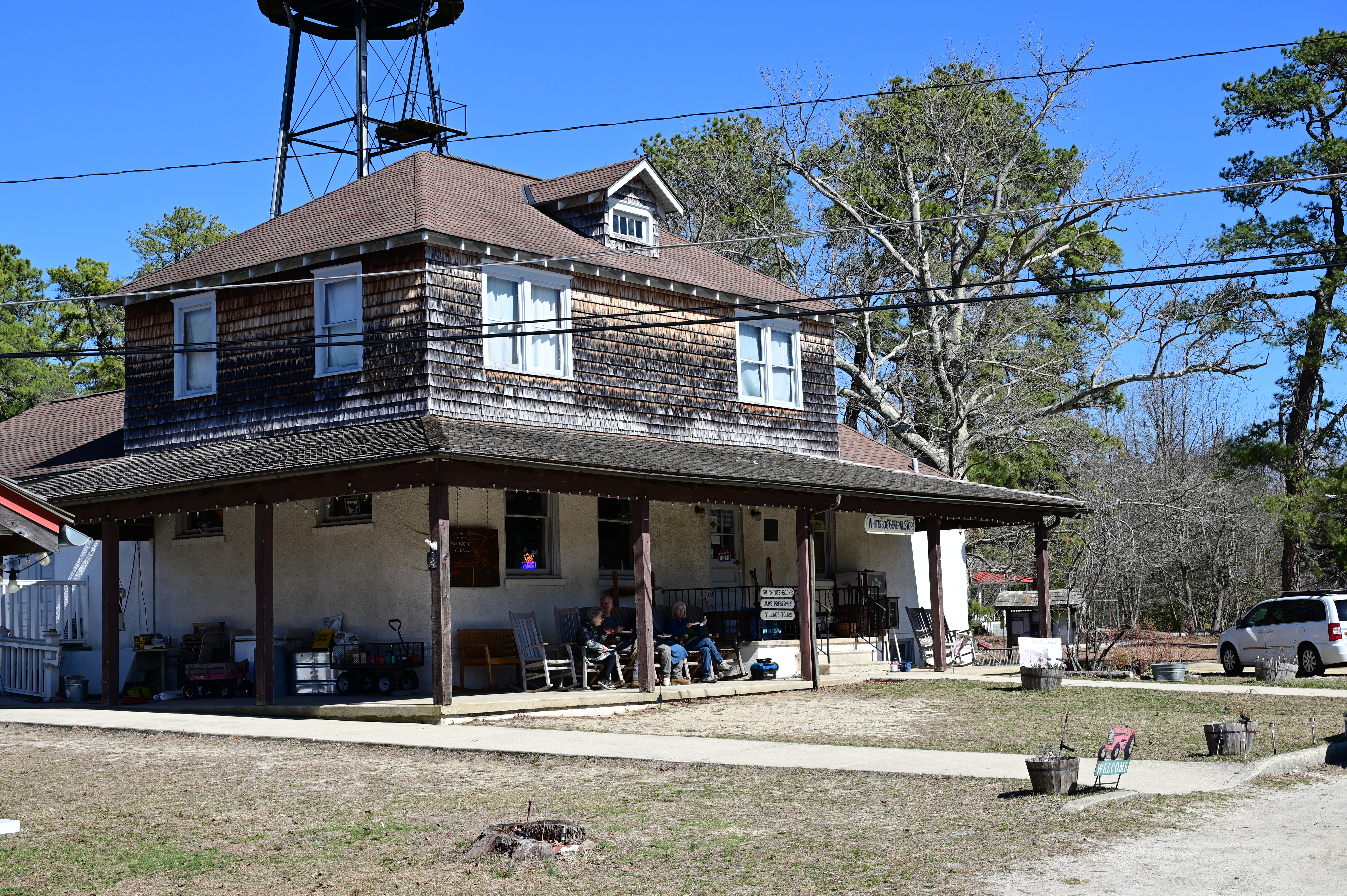
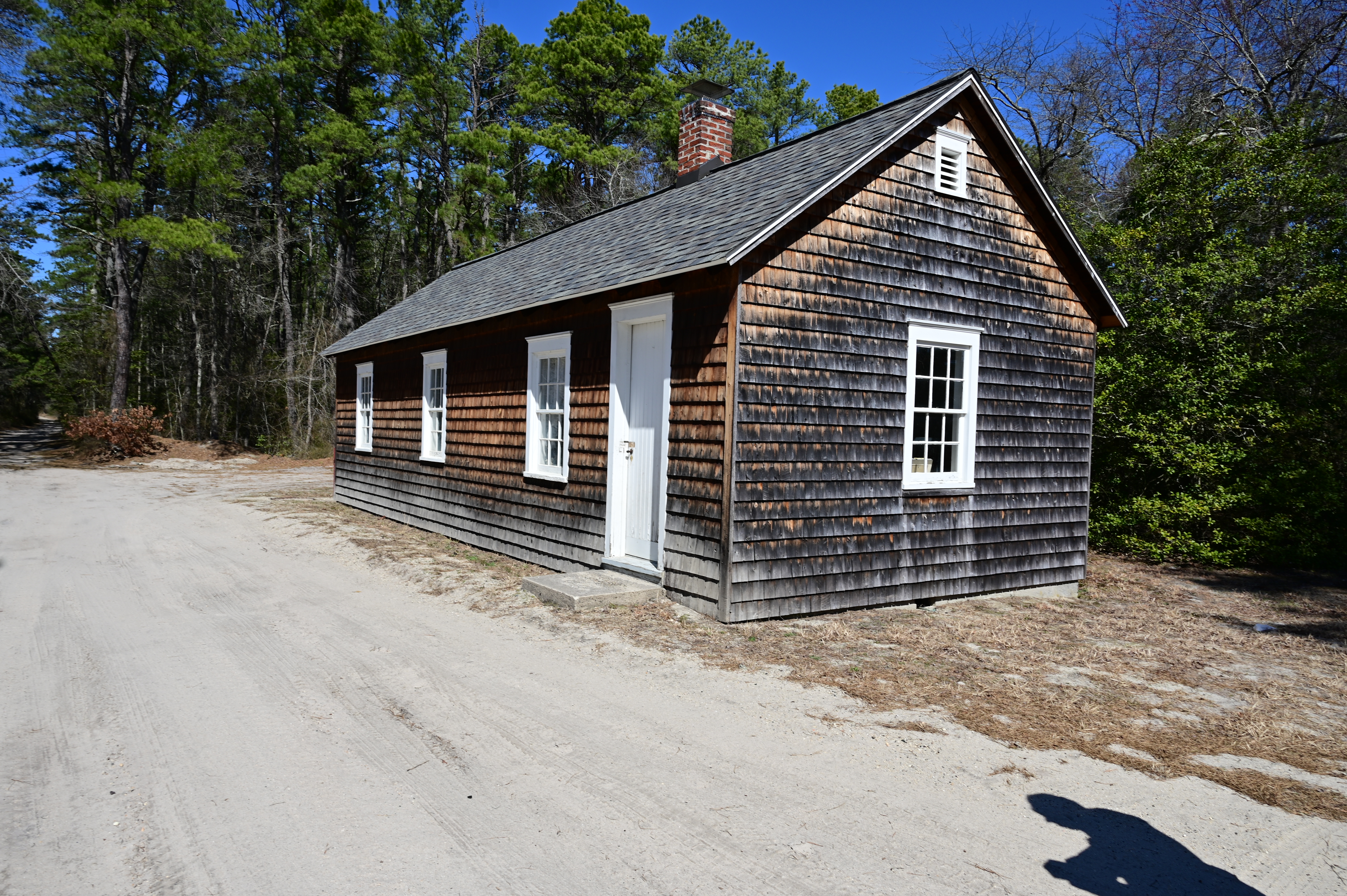
White also made of home for many of Cranberry workers on the property. Whitesbog village was the heart of the property with single-family homes for the owners and permanent full-time workers, a general store, post office, school house, mechanic shop, dance hall, and a building for sorting operations. During harvesting season, Whitesbog would have about 600 workers hired for the season. Many of these workers were Italian immigrants. The seasonal workers lived in either two separate villages, Rome or Florence, on the property. While workers were treated well in the sense that they were permitted to stop to working for lunch breaks and granted Sundays off for Catholic mass, the Cranberry operation has a darker side as child labor was used to do much of the work on the farm as it was cheap labor. However, the operators of Whitesbog looked back on their history and expressed regret in exploiting children. In their downtime, workers would keep themselves busy with playing baseball or chores around the property. Workers would be paid in scrip, an internal monetary system. Workers could use the scrip at the general store or other select vendors.
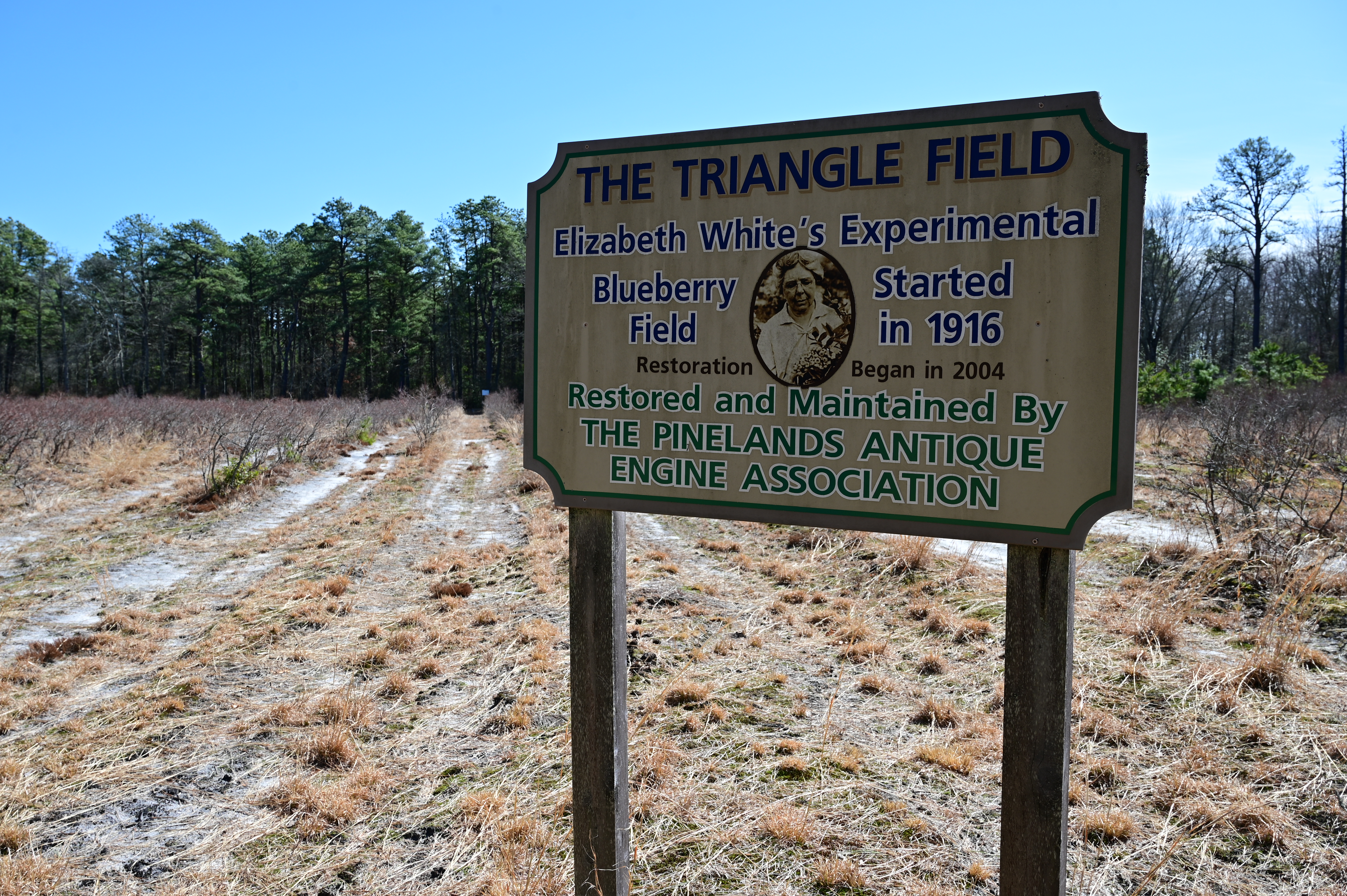
White’s eldest daughter, Elizabeth Coleman White, as well as her other siblings learned the family trade of harvesting Cranberries. However, Elizabeth expanded outside of Cranberries as she was fascinated with Blueberries after reading Experiments in Blueberry Culture by Dr. Frederick W. Coville. With her father’s approval, she contacted Dr. Coville and offered to help with blueberry experiments in the early twentieth-century. After five years of experiments, Dr. Coville and Elizabeth cultivated the “ideal” blueberry at Whitesbog, which was able to be produced and sold. Elizabeth White is credited for a lot of her work in field and experimentation which made blueberries what they are today. She is also credited with advances in marketing by being the first to use cellophane on the blueberry boxes in 1916, so buyers could see the product inside.
After J.J. White’s death in 1924, responsibly of Whitesbog passed to White’s sons-in-law, Lewis and Emlen Darlington. The Darlington’s continued to maintain the legacy of Fenwick and White. In the fourth generation, Whitesbog was passed to Tom Darlington, an aerospace engineer, after his brother Joseph Darlington died in a plane crash on the Whitesbog property. Tom invented the dry harvester, which allowed workers to push a machine, similar to a lawnmower, to pick up cranberries and place them into a bag. This invention allowed the operation to save money on the number of workers, which cut costs significantly. Today, the Cranberry farm is on the fifth generation, run by Tom’s son, Joe Darlington.
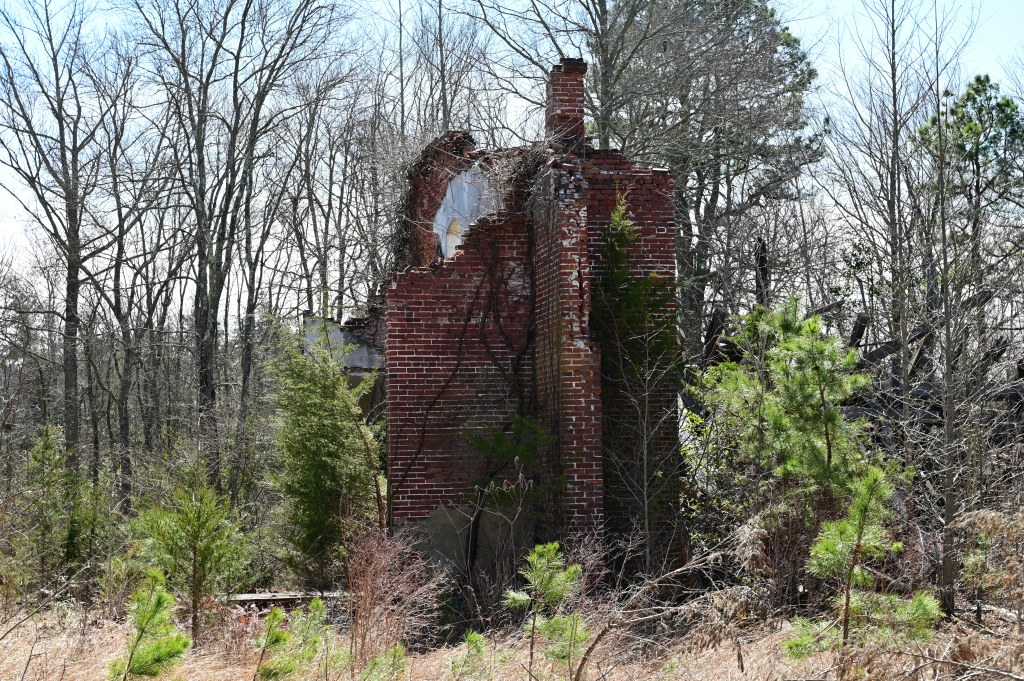
Today the Whitesbog Preservation Trust maintains the Historic Village by taking care of the buildings, trails, and hosting events. Their focus is on keeping the history of Whitesbog alive. The village is currently lived and maintained by the fifth generation of Cranberry farmers as the Cranberry farm is still active. About 28 of the 50 original structures continue to remain standing and are used to this day. Many of the buildings at worker villages of Rome and Florence were destroyed by fire while other outbuildings fell into despair and were demolished. Whitesbog is currently the second largest Cranberry Operation in New Jersey, and their history lives on in the hearts of people of Whitesbog.
Resources
Augustine, Sarah E.., Locker, Kiyomi E.., McDonald, Dennis. Images of America: Whitesbog. Charleston, S.C.: Arcadia Publishing, 2022.
Bolger, William. Historic Architectural Survey and Preservation Planning Project for the Village of Whitesbog, Burlington and Ocean Counties, New Jersey. Morristown, NJ: New Jersey Conservation Foundation, 1982.
Michalsky, Barbara V. Whitesbog: A Historical Sketch. Browns Mills, NJ: Conservation & Environmental Studies Center, 1978.
“Whitesbog History.” Whitesbog Preservation Trust. Accessed March 8, 2026. https://whitesbog.org/history-about/


Leave a Reply