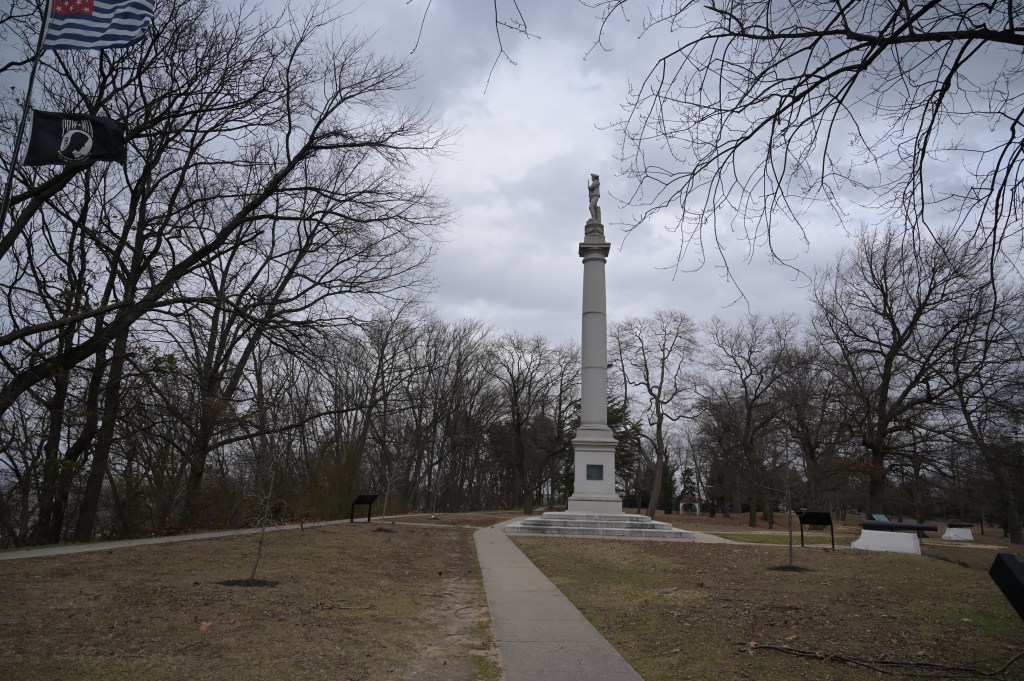
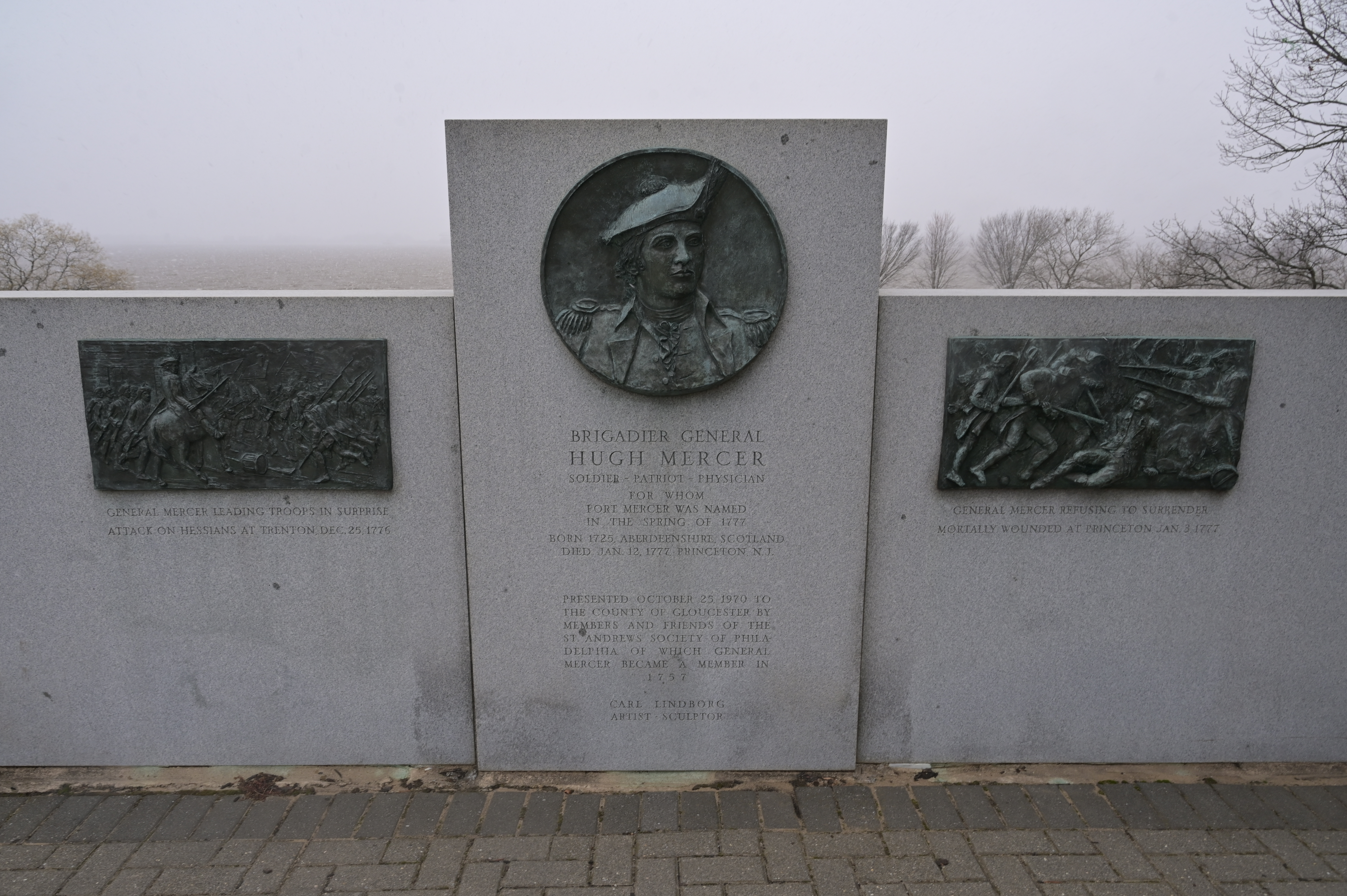
Located on the New Jersey side of the Delaware River, Fort Mercer is just five miles east of Philadelphia. Named in honor of General Hugh Mercer, who died in the Battle of Princeton, the Fort Mercer was constructed during the American Revolution as a prime spot to protect the city of Philadelphia.
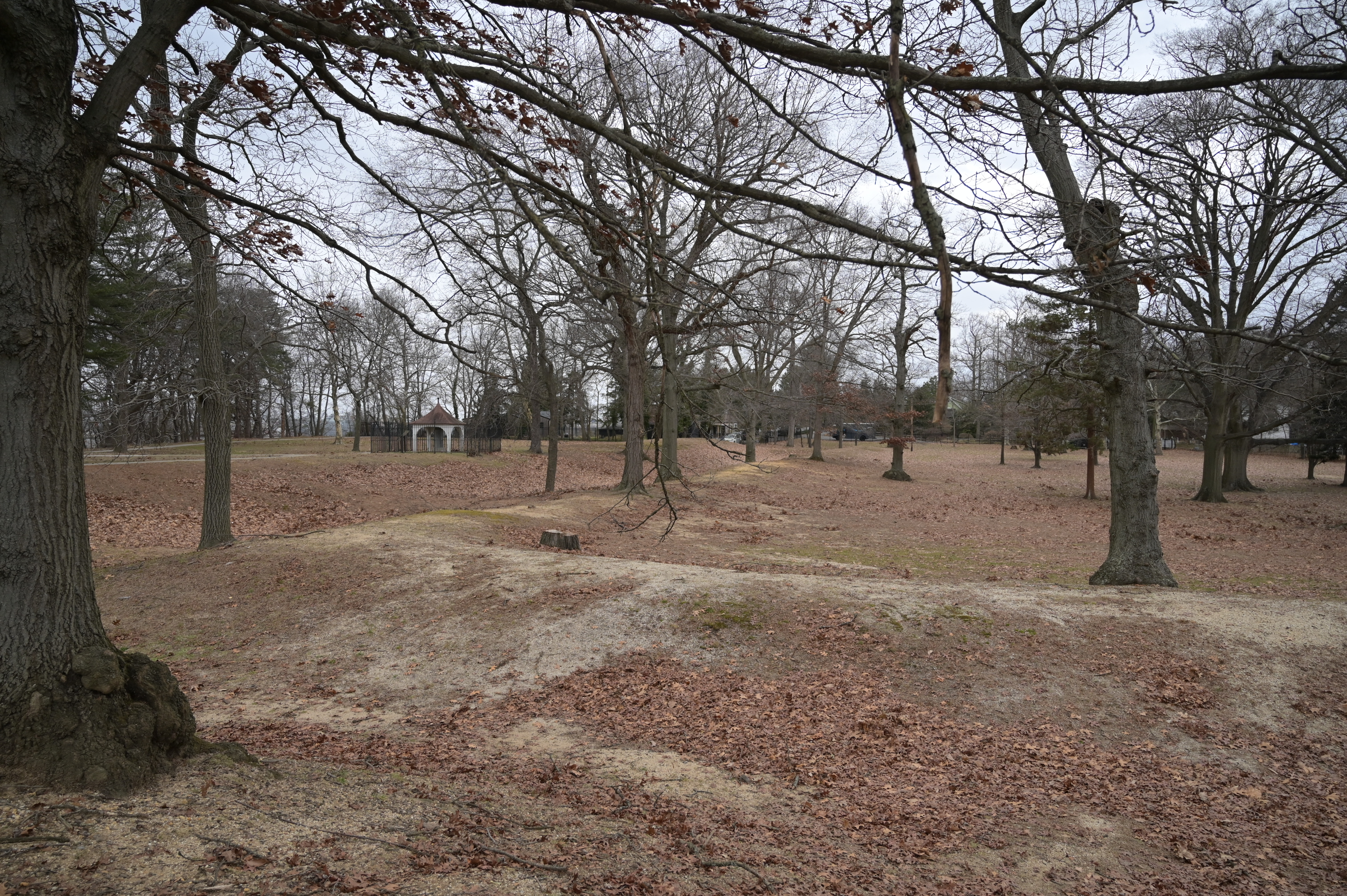
The land the fort was built on was originally owned by Quaker James Whitall, alongside his wife Ann. To prevent British and Hessian invasion of Philadelphia, the Continental Army, also known as American troops, seized James Whitall’s property in 1777 with the intention of erecting a fort to protect against enemy ships in the Delaware. In April of 1777, excavation of the fort began. The fort was constructed by digging up dirt, and using the dirt to construct walls. This type of fort is known as an earthwork fort. In addition to having his property seize for the fort, Whitall’s house was overtaken for officer quarters. The Continental Amry made the Fort and land their own in attempt to defend Philadelphia. Although, the British Army was able to eventually take city by a land attack in the fall of 1777.
Shortly after taking over Philadelphia, on October 22, 1777, over a thousand British and Hessian troops attacked the rear portion of the fort in the Battle of Red Bank. Though the enemy troops were hoping for a surprise attack, the Continental troops were warned and prepared. Less than half the size of the Hessian troops, the Fort’s Continental troops had orders from Colonel Christopher Greene, the commander, to wait until the British and Hessians troops were extremely close before opening fire. At the last minute, the Continental troops let fly a hefty amount of musket balls and other ammunition. Four to six hundred Hessian troops, including the Hessian Commander Count Donop, were killed. Within in a half hour, the Hessian attack upon Fort Mercer ended. Shots continued to be exchanged between Continental troops and British warships from the Delaware River, but the American troops were able to preserve a stronghold at Fort Mercer.
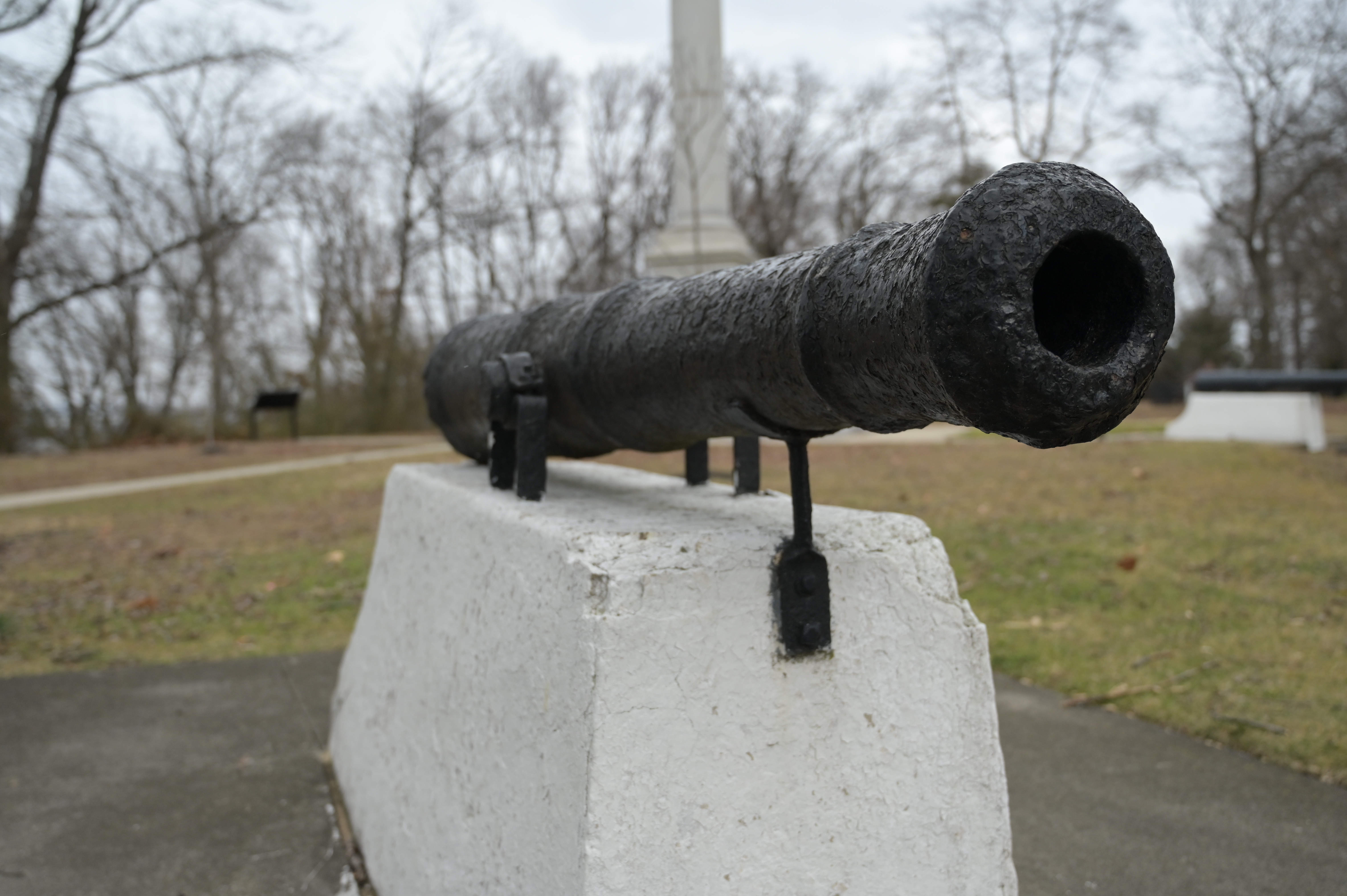
“Statue of a Cannon surrounding Fort Mercer” by T.H. on January 14, 2024.
However, battle strategies change in war. Ultimately, George Washington realized Fort Mercer was too expensive to maintain. The Continental Army pulled their troops, leaving Fort Mercer abandoned. At that point, the British were able to successfully infiltrate the area. While the land was taken over by the British troops, many historians view the Fort Mercer as a success story for the Continental army because the troops were able to hold their own against attack, and only when the land was abandoned was the enemy able to take possession.
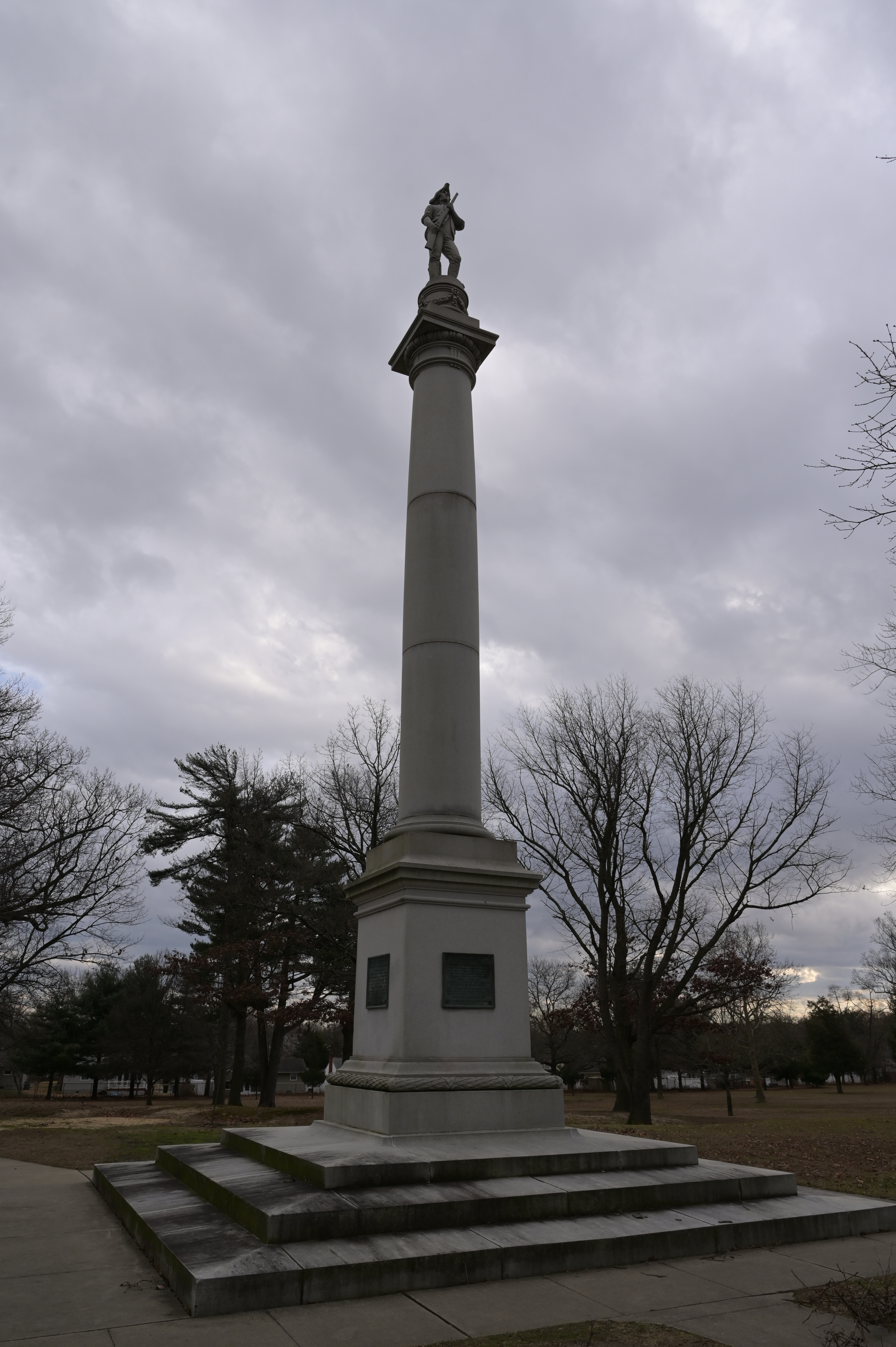
In 1905, the property was turned over to Gloucester County, New Jersey. The land to this date is well maintained to preserve the history which took place there. Much of the earthwork which made Fort Mercer was preserved with a little reconstruction as well. Thus, visitors can see the location where the battle took place. Surrounding the area are many informational signs about the Battle and troops to give them background information on the Battle of Red Bank. In addition to the Fort, there is a monument dedicated success of the patriot forces. While Fort Mercer might seem small, there are constant stream of people coming and walking, even in bad weather. The land means a lot to locals for recreation, as well as lovers of American History, and provides a unique view into the past.
Resources
Anderson, Lee Patrick. Forty Minutes by the Delaware. Universal Publishers, 1999. https://www.google.com/books/edition/Forty_Minutes_by_the_Delaware/utWEkMoB2b8C?hl=en&gbpv=0
Frazza, Al. “Red Bank Battlefield Historical Park Site of Fort Mercer.” Revolutionary War New Jersey: The Ultimate Field Guide to New Jersey’s Revolutionary Way Historic Sites. Accessed January 20, 2024. https://www.revolutionarywarnewjersey.com/new_jersey_revolutionary_war_sites/towns/national_park_nj_revolutionary_war_sites.htm
Scheller, Kay and Bill Scheller. Discover Your Fun New Jersey Off the Beach. Essex, CT: Globe Pequot, 2023.
Willson, Marcius. American History. New York, NY: Ivison & Phinney, 1856. https://www.google.com/books/edition/American_History/5GwAAAAAYAAJ?hl=en&gbpv=0
 New Jersey History and Sites
Leave a comment