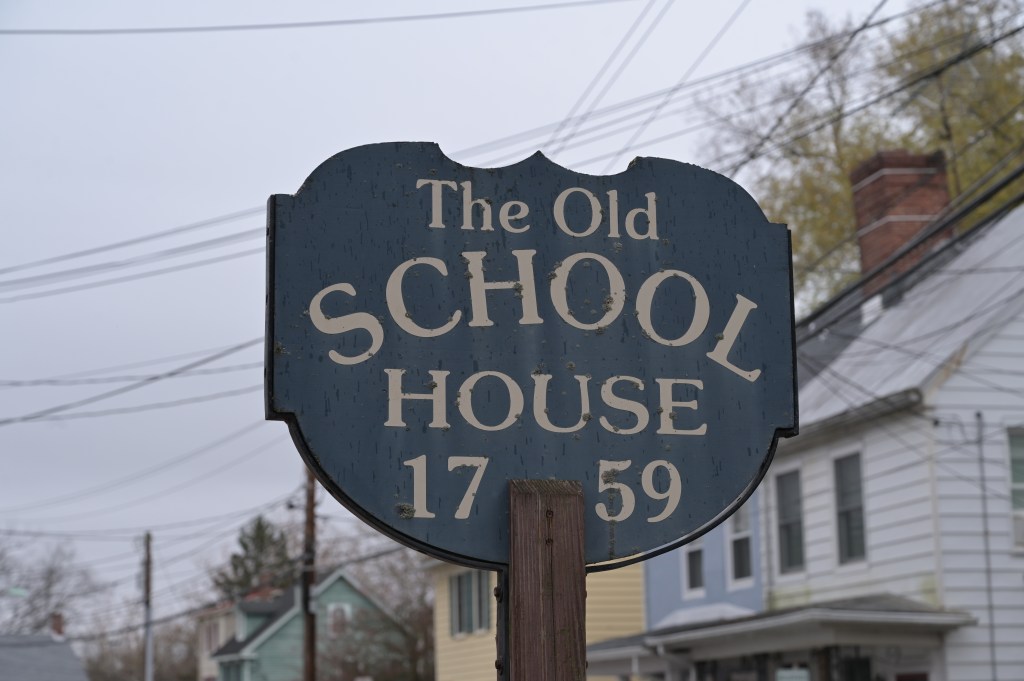
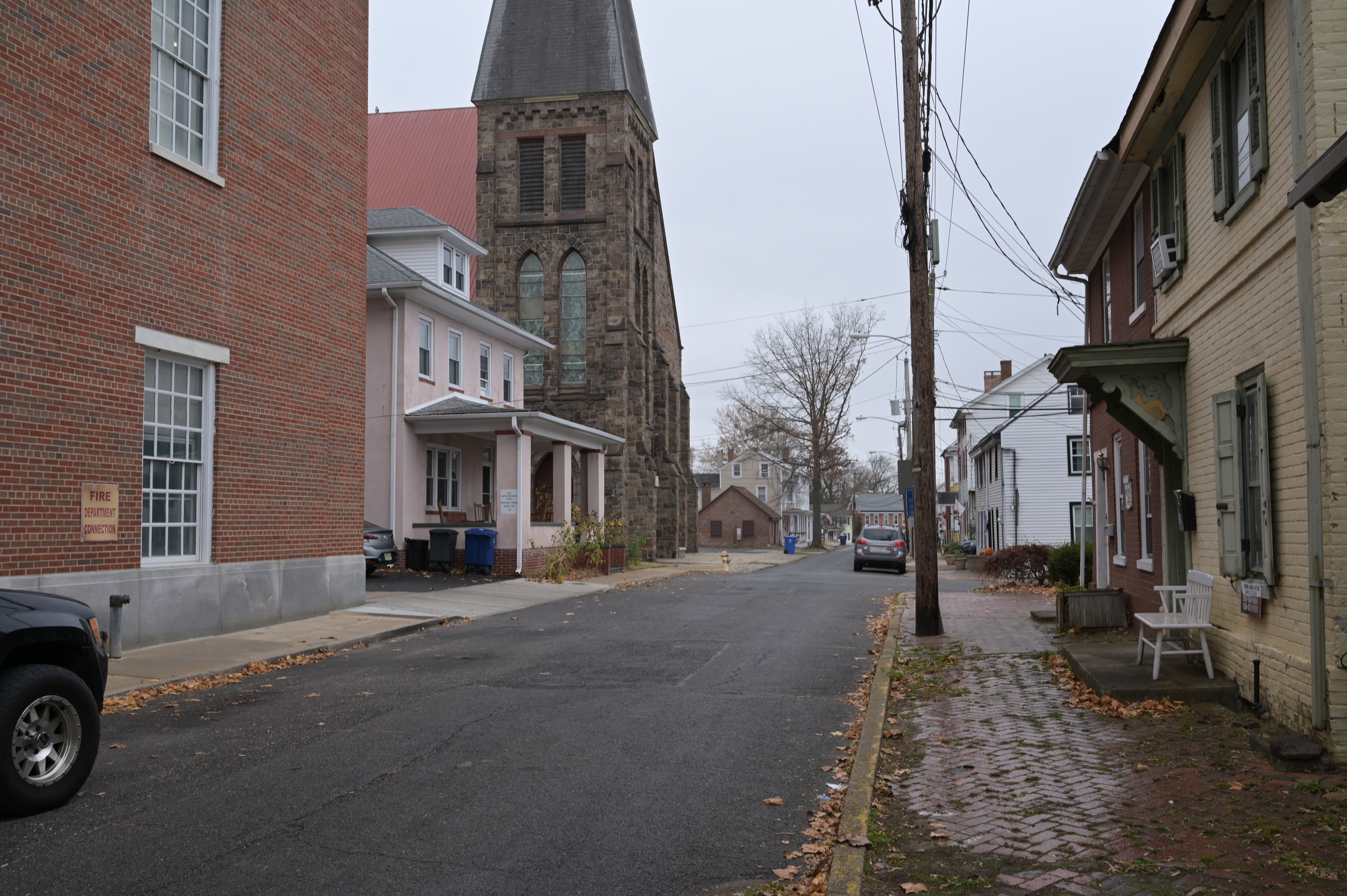
On a residential side street next to a church, located at 35 Brainerd Street in Mount Holly stands the oldest educational building in the state of New Jersey and the only one-room schoolhouse to survive from the colonial period. While the building is small, the history is expansive. The schoolhouse is a hidden gem of history in the state of New Jersey.
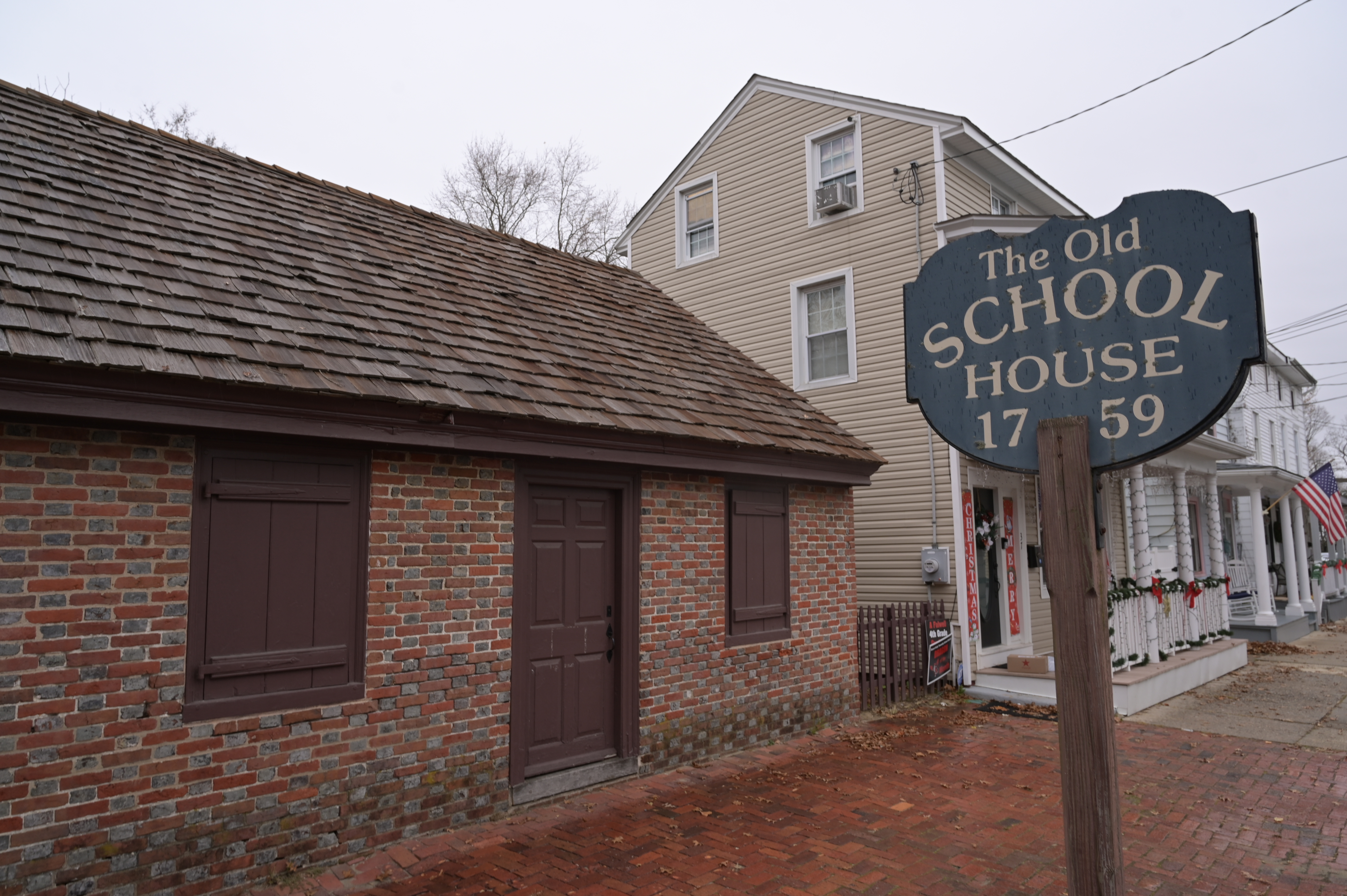
During the 18th century, many citizens encouraged education. However, Mount Holly did not yet have a dedicated school or place of learning at the time. To support the need for education in the town, 21 local citizens bought 25 shares in order to buy land with the intention of building a schoolhouse on it. The one-room colonial style schoolhouse was erected in 1759. The building was first used by Quakers, Episcopalian, and non-denominational parents, who sent their children to the school to be educated. Many religious folks of colonial times believed in the importance of education, and they pushed this conviction in the development of the New World, later known as the United States. The single classroom was small, but it was heated by large fireplace on the rear wall to keep the children warm in the cold months. Many local students passed through the doors of the schoolhouse over the years.
Throughout its history, the building changed hands while remaining operational for students. In 1815, the Female Benevolent Association of Mount Holly took over ownership of the building until 1951. The Benevolent Associated operated a free school for the town’s poor children until 1848. This expanded the educational opportunities available to more classes of citizens. After 1848, the building became a private school, as different schooling options were opening up to local citizens. The building underwent many repairs and restoration during the Benevolent Association ownership. A new floor was installed in 1815, an old Cain stove was replaced a new stove in 1829, and a new door was installed in 1836. Many other repairs were made in the decades that followed as well.
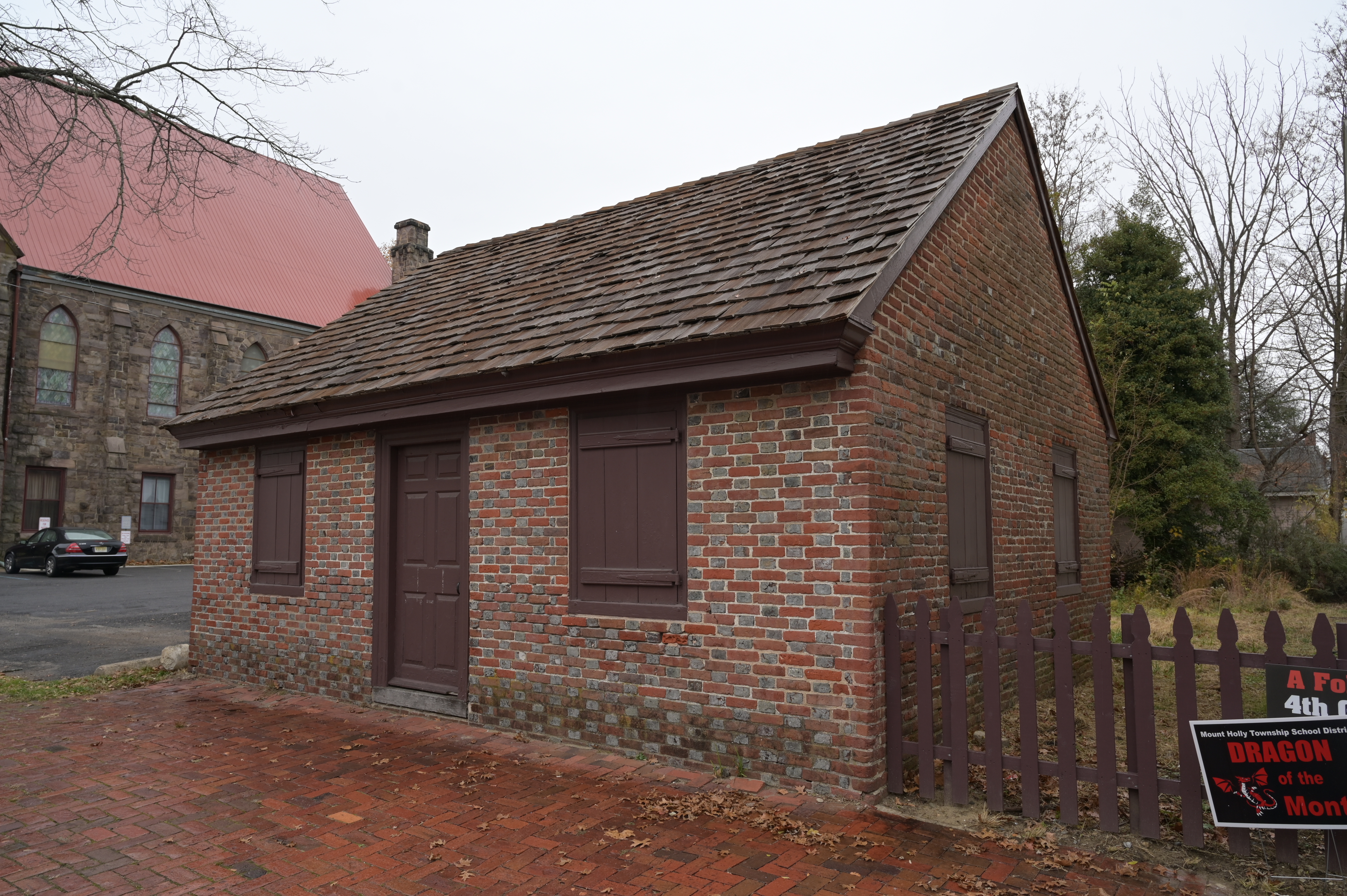
In 1951, the schoolhouse changed hands for the last time and was turned over to the National Society of Colonial Dames. When the National Society of the Colonial Dames took over, they wanted to restore the building to its former glory. Architect, G. Edwin Brumbaugh, restored the building in 1958. He replicated many of building original elements, including the roof and fireplace, to preserve the original historical value dating back to the 18th century. The large brick chimney stack was restored using a combination of original bricks and bricks from 1958 which were similar in color and texture to the originals. The restoration process was successful and the building still holds a resemblance of its originally structure.
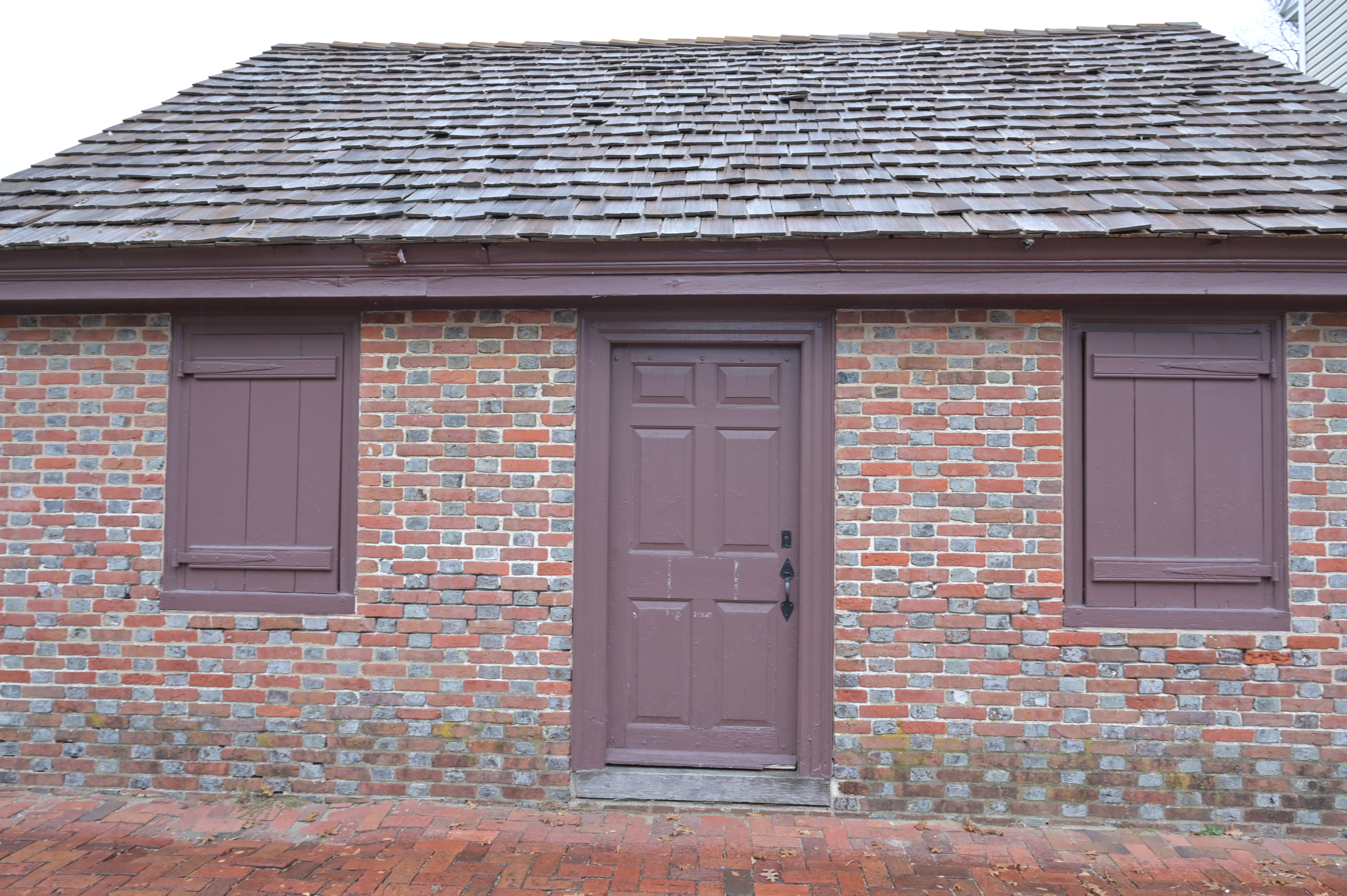
While the building is rarely open, the National Society of Colonial Dames opens the doors of the schoolhouse for town gatherings and festivities. They are also open by appointment. While it’s only one room, it’s worth going to see the building and understand how education for children was conducted over a century ago. While pictures show a tiny building, visitors are much more amazed by seeing the building in person. The structure is incredible, and serves as a window into the past, and an opportunity to see how the education system has changed and developed over the last few centuries.
Resources
“National Register of Historic Places Registration Form: Old Schoolhouse.” United States Department of Interior National Park Service. Accessed December 10, 2023. https://npgallery.nps.gov/NRHP/GetAsset/NRHP/08001108_text
“The Old Schoolhouse.” The National Society of the Colonial Dames in The State of New Jersey. 2012. https://web.archive.org/web/20130307153623/http://www.colonialdamesnj.org/properties/#
Veasey, David. “New Jersey’s Colonial Architecture Told in 100 Buildings.” Fonthill Media LLC. United States: 2014.
 New Jersey History and Sites
Leave a comment